
Description
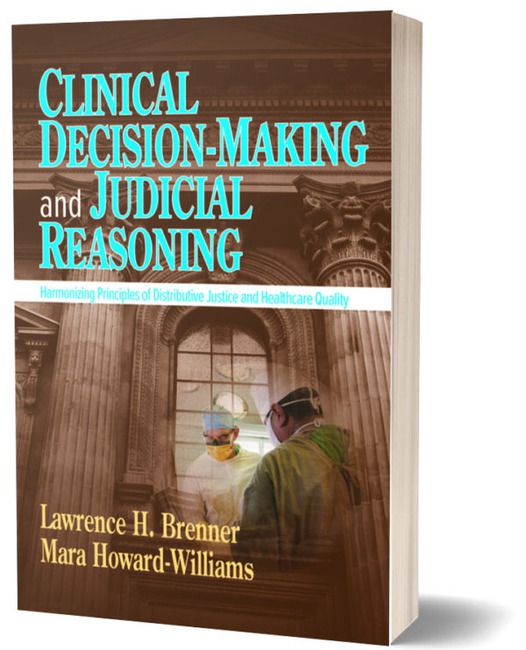
Examines the relationship between judicial reasoning and clinical decision-making, emboldening healthcare practitioners to understand the contours of acceptable conduct, while simultaneously allowing them to feel comfortable in patient care management. Provides a meaningful understanding of standard of care, practitioner judgement, and other judicial norms such as reasonableness and prudence Describes and compares the difference between the way lawyers reason (analogical) and how physicians reason (inductively and deductively) Utilizes differences in reasoning to better understand principles of healthcare quality and how to apply those principles to judicial decision making Describes standard of care in a definitive way utilizing principles such as justification excuse and anticipation control A guide for healthcare providers to prudent decision-making that ensures the safety of patients and protects providers from liability. The book is written in a concise, very accessible, and methodical way for both students and practitioners. Examples and cases are provided throughout for classroom discussions and personal reflection. This is a key reference for physicians, medical students, advanced practice professionals, and law students in tort law programs.




Reviews
There are no reviews yet.