
Description
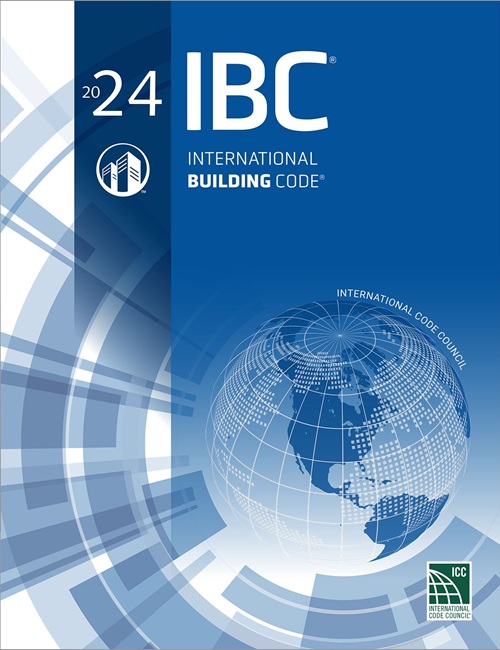
The 2024 International Codes (I-Codes), including the 2024 International Building Code, have undergone substantial formatting changes. These changes are part of the digital transformation strategy of the International Code Council (ICC) to improve the user experience.
Moreover, the changes promote a cleaner, more modern look and enhance readability and sustainability. Notably, the 2024 International Building Code benefits from these updates. They include important revisions that further align with the intent of the 2024 International Building Code standards:
- Single column text format and modernized font styles improves readability.
- QR Codes replace vertical margin sidebars and arrows to identify code changes more accurately.
- Shading for table headers and notes improves locating tables and applicable notes, reflecting another change brought by the 2024 International Building Code.
- Grouping of associated content brings tables and figures immediately after the parent section.
The 2024 IBC applies to all buildings except detached one- and two-family dwellings and townhouses up to three stories. Moreover, the code contains many important changes. For example, it includes updates such as those contained in the 2024 International Building Code update.
- Duties and powers of the building official: an overall reformat of Section 104 regulating duties of the building official, the approach for reviewing for code compliance has been significantly updated to reflect the current manner that alternate materials, designs and methods are evaluated.
- For the first time ever, the 2024 IBC includes provisions for tornado loadings.
- Updated wind, earthquake, and snow loads.
- The updated design rain loads are now based on the summation of the static head, the hydraulic head, and the ponding head.
- Updates to Risk Categories including Photovoltaic (PV) panel systems and facilities providing power generation.
- Updated and expanded provisions for Temporary Structures reflect standards.
- New provisions regarding the wind resistance of aggregate-surfaced roofs have been introduced.
- Roof Coverings: Updated provisions for underlayment.
- New special inspection provisions for metal building systems are introduced.
- New provisions for structural concrete reinforced with glass-fiber reinforcement have been integrated.
- Concrete: To improve ease of use, Chapter 19 on Concrete has been Updated and reformatted.
- Masonry: TMS 402 and TMS 602 references have been updated to the latest 2022 editions.
- An increase in the allowable height of a Group R-2 occupancy building with a NFPA 13R sprinkler system is a significant change.
- Occupiable space requirements now apply if a roof is usable for anything more than maintenance or repair and occupants must have access to multiple egress options from a story based on the occupant load and the story requirements.
- Adult changing tables are now regulated where they are provided and are also required in large assembly and mercantile, college lecture hall/classroom buildings and highway rest stops, under the updated Code.
- Fire-resistance-rated Wall Continuity: Updates on how supporting construction for exterior walls is to be fire-resistance-rated, especially in the case of a parapet.
- Openings in Shaft Enclosures: Additional exceptions are provided for shaft enclosures, including new allowances for openings and penetrations, which now reflect the 2024 International Building Code’s approach.
- Carbon Monoxide Detection: Carbon monoxide (CO) detection is now required in all occupancies where a CO-producing device is present. Detection and notification can be addressed in several ways under the 2024 International Building Code framework.
- Vapor retarders: Several updates have been made to the vapor retarder provisions for consistency with the IRC and IECC. The changes also provide additional options and better guidance for allowable types and locations of permitted vapor retarders as outlined in the 2024 International Building Code.
- Vertical and lateral Flame propagation compliance methods: Clarification has been provided as to when testing in accordance with NFPA 285, related to vertical and lateral flame propagation, is required. Previously this information was scattered in a variety of locations within Chapters 14 and 26, but the 2024 International Building Code has consolidated these details.
- New Appendix P sets forth the scoping limitations and technical criteria for sleeping lofts that are provided within Group R dwelling units and sleeping units.

Reviews
There are no reviews yet.